“Ooh wow!!
Look at that physique! I wish I could have it too!!”
How often do we have this type of feeling?
Or sometimes we drool over watching someone too attractive to ignore and wish our partners be like him/her, or even sometimes self doubt and guilt if we are good enough for our partner, either way. And the struggle starts both physically and mentally.
Appearance vs Actual Health
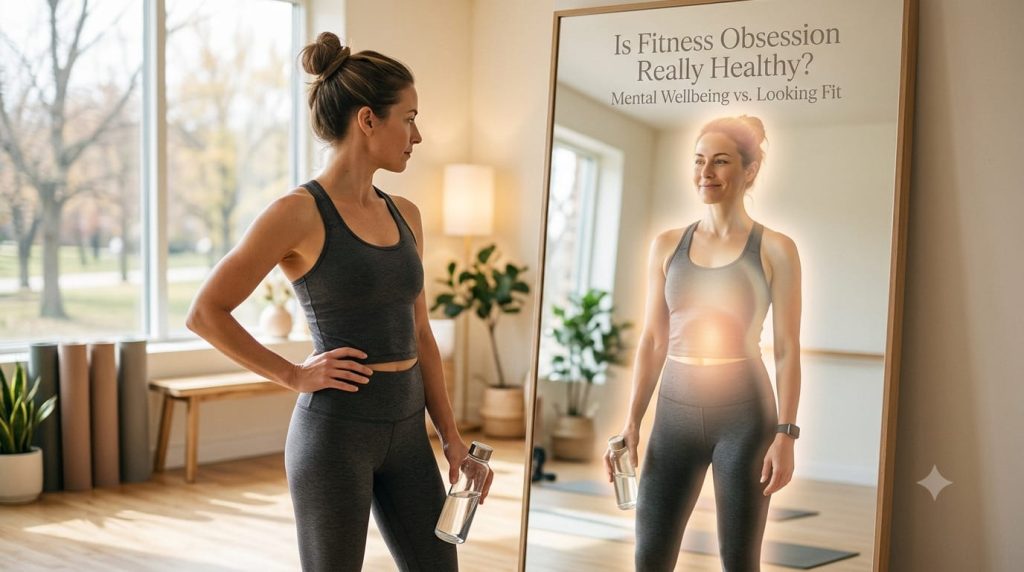
There are multi-dimensional view to this picture of Health. Someone may look fit but that does not necessarily mean they are healthy inside. Conversely, someone may carry extra body fat without being inherently unhealthy. Looks are deceptive. Simply having a lean physique doesn’t guarantee wellness- and vice versa.
Health is not just your look; it is your mind and body functioning together.
- One may be lean and thin yet suffer from nutrient deficiencies, low stamina and even irritability. Can we truly call them healthy?
- On the flip side, someone may appear overweight yet possess good stamina, all health parameters fairly within healthy limits and no joint issues , active and happy. How can we label that person unhealthy?
How Our Definition of Health Shifted?
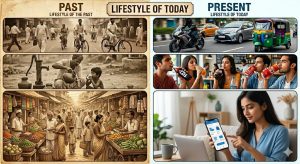
Over time, societal standards of health have inverted. Chubby cheeks were once considered a sign of good health and social stature. Millet rotis and simple grains were seen as humble food, while packaged sweets and white bread were prized. Today, that picture is completely flipped.
Growing up in 1990s, chocolate and packaged chips were considered luxury items, and were reserved for Birthdays or special occasions . Outside dining was rare and so were the packaged -ready to eat food items. Sweets and rich foods existed, but they were balanced by constant physical activity. Lifestyle diseases were far less prevalent because daily life naturally demanded movement—walking more, taking stairs, riding bicycles, and playing outdoors.
While everyday life back then had its own stresses, people generally slept better and thrived.
The Modern Dilemma: Obsession over Balance
Today, the health picture looks drastically different. The last two decades—and particularly the post-COVID era—have pushed lifestyle habits to extremes in the pursuit of “good health.”
We frequently hear tragic news about sudden health crises in and around gyms. “Is the gym the culprit? Absolutely not.”
The real issue is *obsession without guidance*:
* Extreme, unguided calorie-deficit diets
* Overexertion and improper workout posture leading to injury
* Unmonitored use or misuse of protein and creatine supplements
* Severe dehydration or electrolyte imbalance
* Lack of adequate rest and recovery time
* Obsession with health-tracker metrics leading to stress and binge eating
When people blindly jump onto extreme fitness bandwagons without medical or professional guidance, they may temporarily change their size, but they compromise their long-term health.
The Root Cause: The Trap of Comparison
Why are sleep issues, stress, and anxiety at an all-time high despite modern comforts? Because while stress has existed since time immemorial, social media has magnified basic human nature: *comparison*.
Constant exposure on social platforms makes us vulnerable to unrealistic standards. Everyone is pressured to look like a celebrity or achieve instant results with minimal time. Looking at curated lives creates constant internal pressure, doing far more harm to mental and physical health than we realize.
Finding True Balance
*Fitness can be seen, but Health must be felt.*
Fitness might look like a well-built body, but health is the complete picture—a calm mind, rational thoughts, clear reasoning, and physical vitality.
Health demands discipline and moderation, not obsession. Enjoy exercise, take proper rest, and nourish your body in proportion to your activity level. One stressful day at work, a missed workout, or a celebratory meal does not define your health journey. What truly matters is consistency and how resiliently you bounce back.
Life is meant to be lived, cherished, and enjoyed—and true discipline is simply the tool that allows us to achieve lasting well-being.
The timeless principle remains true: “A healthy mind resides in a healthy body.”